
Stepping into the cockpit for the first time is a moment most pilots never forget. The sound of the engine, the feel of the controls, the view from the runway — it is the experience that turns a dream into reality. While the first few flight lessons can feel overwhelming, knowing what to expect ahead of time will help you relax, absorb more, and enjoy every minute of it.
The Discovery Flight
Many flight schools offer a discovery flight or introductory flight as your first experience. This is typically a 30- to 60-minute flight where you sit in the left seat (the pilot's seat), and your instructor handles the takeoff and landing while giving you a chance to fly the airplane in the air. A discovery flight is not a commitment — it is an opportunity to experience what flying feels like and see if it is something you want to pursue seriously.
During this flight, your instructor will explain the basic controls: the yoke or control stick for pitch and roll, the rudder pedals for yaw, and the throttle for power. You will likely get to make some gentle turns and experience straight-and-level flight. Most students walk away from a discovery flight knowing with certainty whether flight training is right for them.
The Preflight Inspection
Every flight begins on the ground with a preflight inspection. This is a systematic walk-around of the aircraft where you check the condition of the airframe, control surfaces, tires, propeller, fuel, oil, and other critical components. Your instructor will teach you to follow a checklist specific to the aircraft you are training in, and over time this process will become second nature.
The preflight inspection is one of the most important safety habits you will develop as a pilot. It may feel tedious at first, but experienced pilots know that catching a problem on the ground is always better than discovering one in the air.
What You Will Learn in Early Lessons
Your first several flight lessons will focus on the fundamentals of aircraft control. You will practice the four basic maneuvers: straight-and-level flight, turns, climbs, and descents. These are the building blocks for everything else you will learn as a pilot.
Your instructor will introduce you to slow flight, which teaches you how the airplane behaves at reduced airspeeds near the edge of its performance envelope. You will practice power-on and power-off stalls, which demonstrate what happens when the wing exceeds its critical angle of attack and how to recover safely. You will also learn steep turns, ground reference maneuvers, and how to use the flight instruments to maintain altitude, heading, and airspeed.
Communication is another essential skill you will begin developing early. Your instructor will teach you how to use the radio to communicate with air traffic control and other aircraft. Learning standard aviation phraseology takes practice, but it becomes more comfortable with every lesson.
Takeoffs and Landings
While your instructor will handle takeoffs and landings during the first few lessons, you will gradually take on more responsibility. Takeoffs are relatively straightforward — you apply full power, maintain centerline with the rudder pedals, and rotate at the appropriate airspeed. Landings require more finesse and are often the skill that takes the longest to master.
You will spend many lessons in the traffic pattern — the rectangular flight path around the airport — practicing approach after approach. Do not be discouraged if landings feel difficult at first. Every pilot struggled with landings at some point, and improvement comes with repetition and patience.
Managing the Learning Curve
It is completely normal to feel overwhelmed during your first few lessons. There is a lot to absorb — the controls, the instruments, the radio, the procedures — and it can feel like you are being asked to do ten things at once. This is a universal experience among student pilots, and it gets easier with every hour you log.
Between lessons, review what you learned. Go over the maneuvers in your mind, study the relevant sections of your ground school materials, and use chair flying — sitting in a chair at home and mentally walking through procedures — to reinforce muscle memory. The students who progress fastest are the ones who stay engaged with their training between flights.
Up Next in This Series
Once you have a solid foundation in basic maneuvers, takeoffs, and landings, it is time to take a major step forward: your first solo flight. In the next article, we will cover what it takes to fly solo, how cross-country flights expand your skills, and what the experience of building hours toward your certificate looks like.
Ready for the next step?
Next Article: Going Solo: Your First Solo Flight and Cross-Country Adventures →Starting Flight Training? Get the Essentials
Set yourself up for success from your very first lesson:
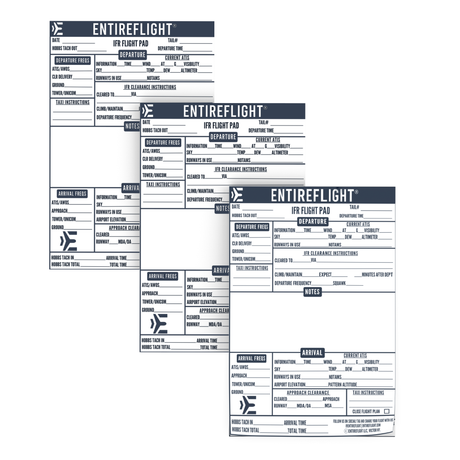
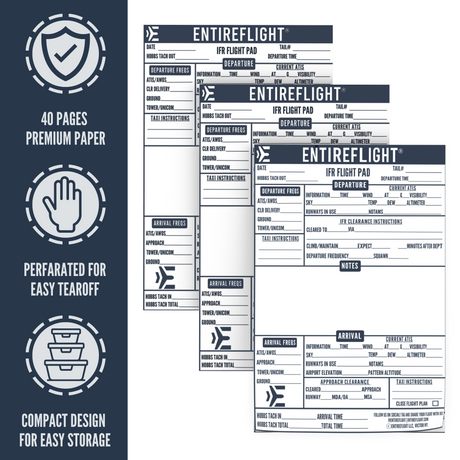
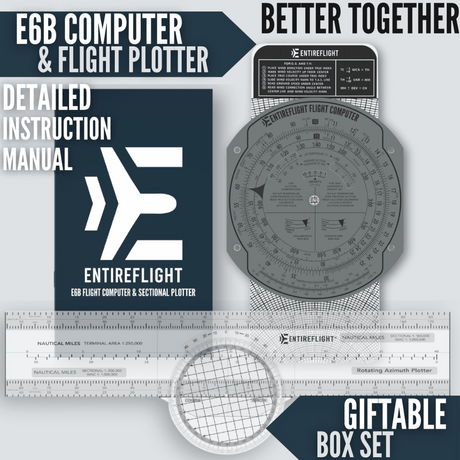
- Student Pilot Bundle — Kneeboard, E6B, plotter, and notepad — everything you need to start training.
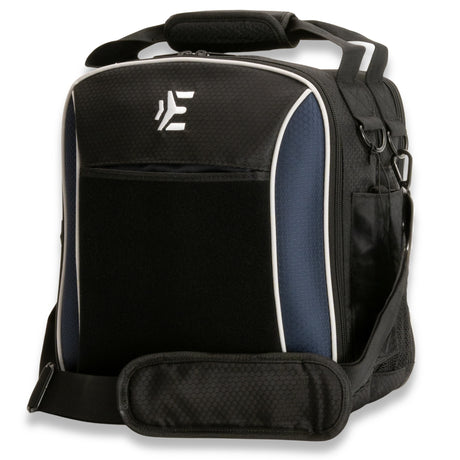
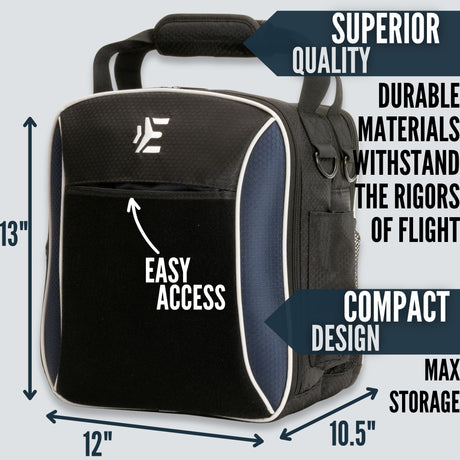
- Venture Flight Bag — Carry all your pilot gear in a bag designed for small aircraft cockpits.
- ALPHA 20 Flight Skins — If you have a Bose A20 headset, personalize it so it never gets mixed up at the flight school.