
Ground school is where you build the knowledge foundation that supports everything you will do in the cockpit. While flying is the exciting part of earning your Private Pilot Certificate, understanding the principles of aerodynamics, weather, navigation, regulations, and aircraft systems is what turns a student into a safe and capable pilot. This article covers what ground school involves and how to prepare for the FAA Knowledge Test.
What Is Ground School?
Ground school refers to the academic portion of your flight training. It covers the theoretical knowledge you need to understand how and why an airplane flies, how to plan a flight safely, and how to make sound decisions as pilot in command. The subjects you will study include aerodynamics and the principles of flight, aviation weather and meteorology, aircraft systems and instruments, airspace classifications and regulations, navigation techniques including chart reading and GPS, weight and balance calculations, flight planning and performance, aeromedical factors and human performance, and FAA regulations under 14 CFR Parts 61 and 91.
You can complete ground school in several ways. Many flight schools offer in-person ground school classes that meet on a regular schedule. Online ground school courses have become increasingly popular and offer the flexibility to study at your own pace. Well-regarded options include courses from Sporty's, King Schools, and Gold Seal. Some students also choose self-study using the FAA Pilot's Handbook of Aeronautical Knowledge and the Airplane Flying Handbook, both of which are available free from the FAA website.
The FAA Private Pilot Knowledge Test
The FAA Private Pilot Knowledge Test (often called the written exam) is a 60-question, multiple-choice exam that you must pass before you can take your practical checkride. You need a score of at least 70 percent to pass, though most instructors recommend aiming for 80 percent or higher. The test covers all the subjects taught in ground school and is administered at FAA-authorized testing centers. The testing fee is approximately $175.
Your instructor will need to endorse your logbook confirming that you are prepared for the exam before you can schedule it. There is no minimum number of hours of ground instruction required under Part 61, but your instructor must be satisfied that you have the knowledge necessary to pass.
How to Prepare for the Knowledge Test
The most effective study strategy combines structured learning with consistent practice testing. Begin by working through a complete ground school course — whether online or in person — to build a solid understanding of each subject area. Take notes and focus on the areas where you feel least confident.
Once you have completed the coursework, shift your focus to practice exams. Several apps and websites offer practice tests that draw from the FAA question bank. Studying the actual test questions and understanding why each answer is correct (or incorrect) is one of the most efficient ways to prepare. Aim to consistently score 85 percent or higher on practice tests before scheduling your real exam.
Pay special attention to weather theory, airspace rules, and regulations — these are among the most commonly missed topics. Use sectional charts and aviation weather reports as study tools to build familiarity with real-world applications.
Ground School and Flight Training Work Together
One of the most valuable aspects of ground school is how it enhances your flight training. Concepts like weight and balance, density altitude, and crosswind correction become much more intuitive when you have studied the theory behind them. Many students find that starting ground school early — even before their first flight lesson — helps them absorb information faster in the cockpit.
Your instructor will also conduct ground instruction before and after many of your flight lessons, covering specific topics relevant to that day's lesson. This combination of formal ground school and instructor-led briefings gives you a well-rounded understanding of every aspect of flight.
Up Next in This Series
With ground school underway and the Knowledge Test on your radar, it is time to talk about what happens when you actually get in the airplane. In our next article, we will walk you through what to expect during your first flight lessons — from preflight inspections to basic maneuvers and everything in between.
Ready for the next step?
Next Article: Your First Flight Lessons: What to Expect in the Cockpit →Study Tools for Ground School
Complement your ground school studies with hands-on flight planning tools:
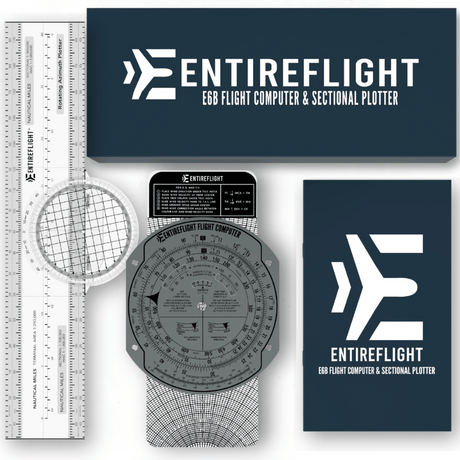
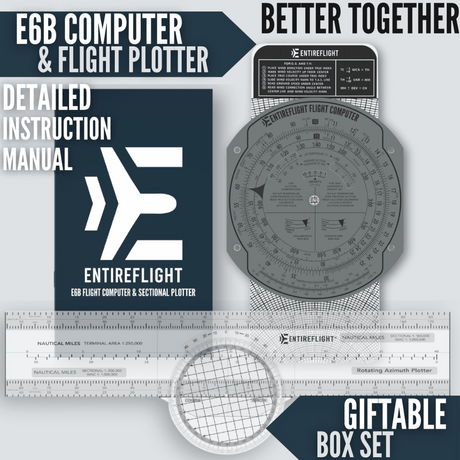
- E6B Flight Computer & Plotter Bundle — Learn to use the E6B now so you are ready for both the written exam and your flight training.
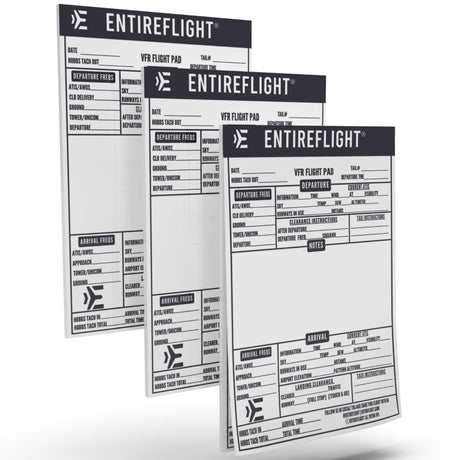
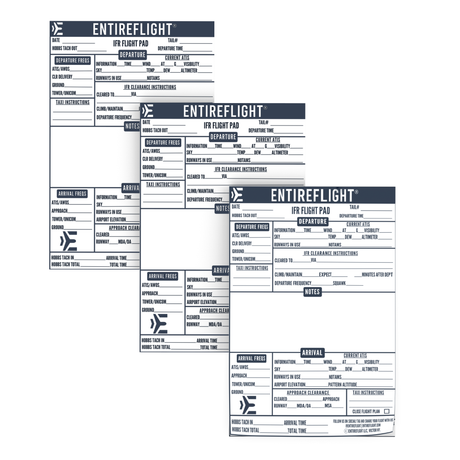
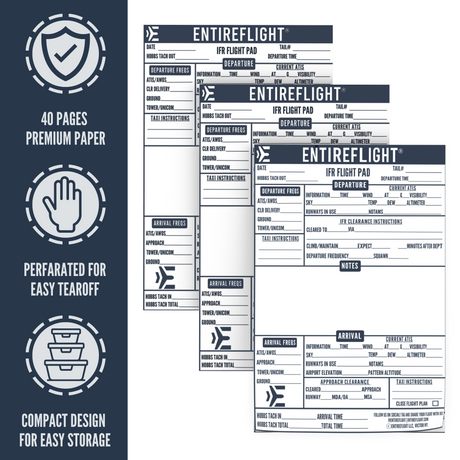
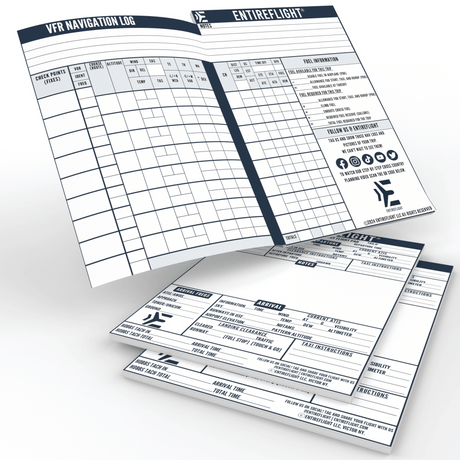
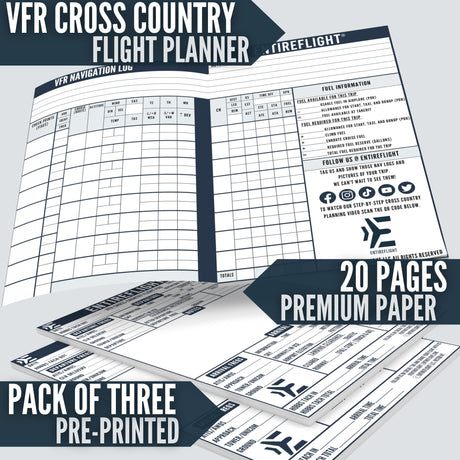
- Cross-Country Planning Notepad — Practice flight planning on the same pad you will use in the airplane.