
The first time you fly an airplane completely alone is a milestone that every pilot remembers for the rest of their life. Your first solo flight marks the moment your instructor trusts you enough to handle the aircraft on your own — and the moment you prove to yourself that you can do it. This article covers what it takes to go solo, how cross-country flights build your skills, and what the hour-building phase of training looks like.
Preparing for Your First Solo
Before your instructor endorses you for solo flight, you will need to demonstrate consistent proficiency in several key areas. You must be able to perform safe takeoffs and landings, maintain control of the aircraft in the traffic pattern, handle radio communications with confidence, recognize and recover from abnormal situations such as a go-around, and demonstrate sound aeronautical decision-making.
There is no set number of flight hours required before your first solo. Some students solo in as few as 15 hours, while others may take 25 or more. The timing depends entirely on your individual progress and your instructor's judgment. Do not compare yourself to other students — what matters is that you are ready.
Before you solo, you will also need to have passed a pre-solo written exam administered by your instructor. This exam covers the aircraft systems, airport procedures, regulations, and emergency procedures specific to your training environment.
The Solo Flight Experience
Your first solo typically takes place at your home airport and consists of three takeoffs and landings in the traffic pattern. Your instructor will fly a few pattern laps with you first to confirm that conditions are suitable and your performance is solid. Then they will step out of the airplane, endorse your logbook, and send you on your way.
Most students describe the experience as a mix of exhilaration and focus. You will notice immediately that the airplane performs differently without the instructor's weight — it climbs faster and may float more during landing. Stay disciplined, follow your procedures, and trust your training. When you taxi back to the ramp after your third landing, you will understand why pilots consider this one of the most defining moments in their aviation careers.
Building Solo Hours
After your initial solo, you will continue to build solo time in the traffic pattern and eventually in the local practice area. Your instructor will assign specific practice tasks — steep turns, slow flight, stall recovery — for you to work on independently. This solo practice time is essential for building confidence and refining the skills you have been developing during dual instruction.
Cross-Country Flight Training
Cross-country flights are one of the most exciting and educational phases of your training. In aviation, a cross-country flight is defined as a flight with a landing at an airport that is more than 50 nautical miles from your departure point. These flights teach you practical navigation, flight planning, fuel management, communication with different air traffic control facilities, and how to adapt to unfamiliar airports and environments.
You will fly your first cross-country flights with your instructor, who will guide you through the planning process. This includes selecting a route, checking weather along the way, calculating fuel requirements, filing a flight plan if appropriate, and identifying alternate airports in case conditions change. You will use a combination of pilotage (visual navigation), dead reckoning (calculations based on heading, speed, and time), and GPS to navigate.
Once your instructor is satisfied with your cross-country skills, you will fly solo cross-country flights. The FAA requires at least 5 hours of solo cross-country time, including one flight of at least 150 nautical miles with landings at a minimum of three points and one segment of at least 50 nautical miles between landings.
Night Flying
Your training will also include night flying, which presents a unique set of challenges and rewards. The FAA requires 3 hours of night flight training for a private pilot certificate, including at least one cross-country flight of over 100 nautical miles and 10 takeoffs and landings to a full stop at night. Flying at night teaches you to rely more heavily on your instruments and develops skills that will serve you throughout your flying career.
Tracking Your Progress
As you build hours, keep a detailed logbook and track your progress against the FAA requirements. For a Private Pilot Certificate under Part 61, you need a minimum of 40 total flight hours, including 20 hours of dual instruction and 10 hours of solo flight. Remember that the national average is 60 to 70 hours, so plan your budget and timeline accordingly.
Up Next in This Series
With your solo and cross-country requirements completed, the final step in your journey is the checkride. In our final article, we will cover everything you need to know about preparing for and passing the Private Pilot practical exam — the last hurdle between you and your certificate.
Ready for the next step?
Next Article: The Private Pilot Checkride: Earning Your Wings →Gear Up for Solo and Cross-Country Flying
Flying solo means being fully prepared. These tools help you stay organized when there is no instructor in the right seat:
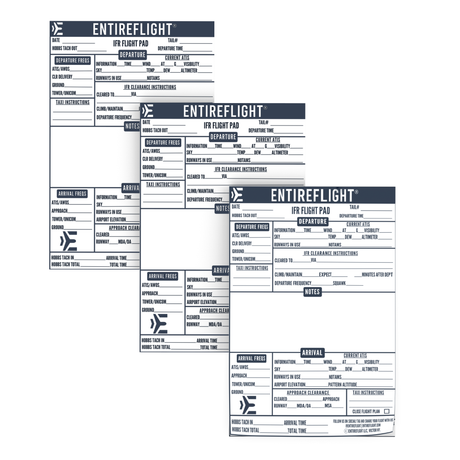
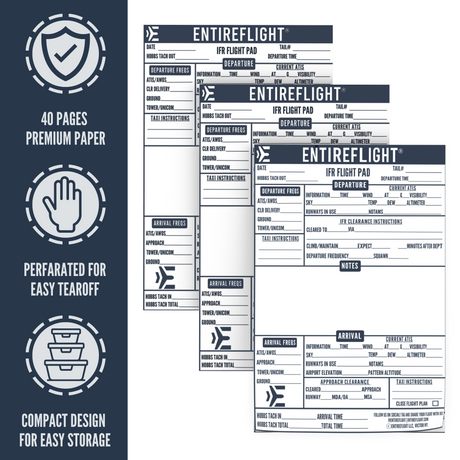
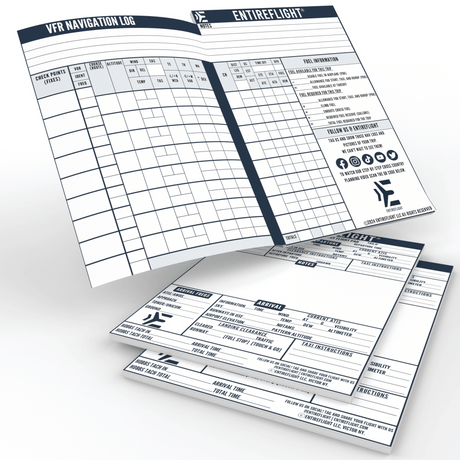
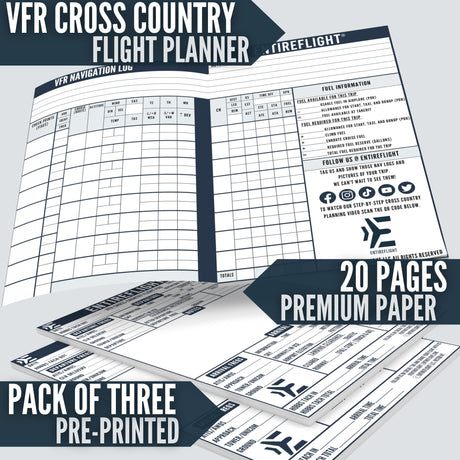
- Cross-Country Planning Flight Pad — Structured fields for waypoints, frequencies, and fuel calculations on every XC flight.
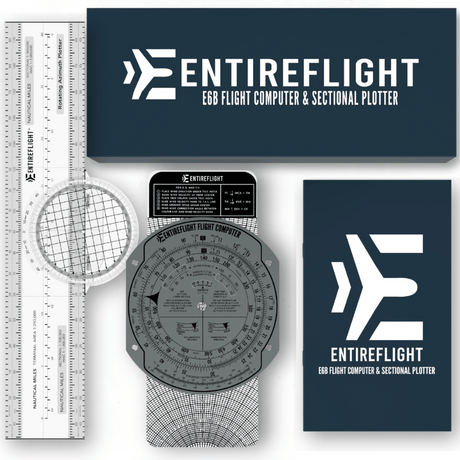
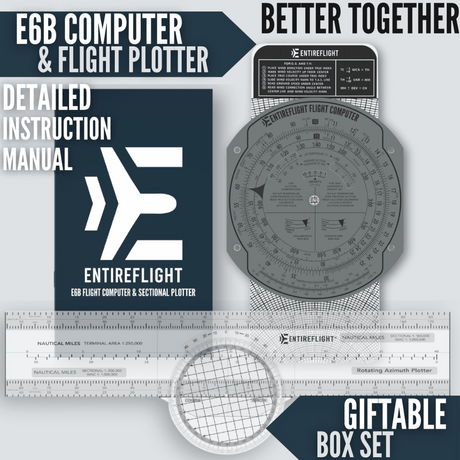
- E6B Flight Computer & Plotter — Plan your cross-country routes with confidence.
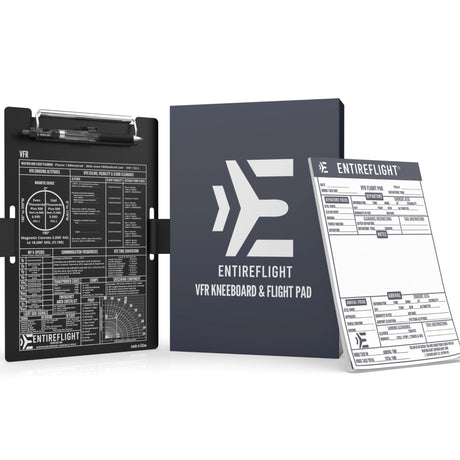
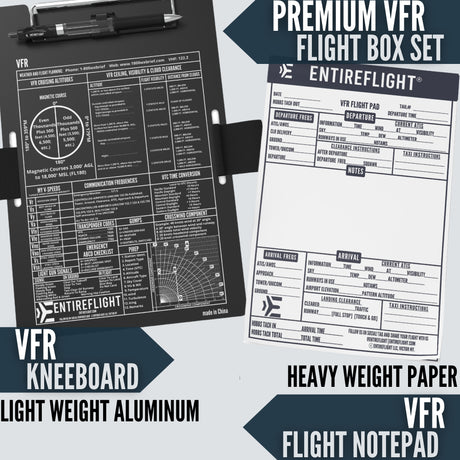
- VFR Kneeboard & Flight Pad Set — Keep all your in-flight notes in one organized place.
- Milestone Patch Set — Celebrate your first solo with a patch you earned.