
Earning a private pilot certificate is one of the most rewarding achievements you can pursue. Whether you dream of flying for fun on weekends, traveling with family, or eventually building toward a career in aviation, every pilot journey begins with the same first steps. This guide walks you through everything you need to know before your feet ever leave the ground.
Do You Meet the Basic Requirements?
Before you invest time and money into flight training, it helps to understand the basic eligibility requirements set by the Federal Aviation Administration (FAA). To earn a Private Pilot Certificate under 14 CFR Part 61, you must be at least 17 years old (16 for a student pilot certificate), be able to read, speak, write, and understand English, and hold at least a third-class medical certificate issued by an FAA-designated Aviation Medical Examiner (AME).
The good news is that you can begin flight training at any age. Many student pilots start taking lessons well before they turn 17. You simply cannot take your checkride — the final practical exam — until you meet the age requirement.
Get Your FAA Medical Certificate
One of the smartest first moves you can make is scheduling your FAA medical exam. A third-class medical certificate is the minimum required for private pilots, and it confirms that you meet the physical and mental health standards for safe flight. The exam is conducted by an AME and typically covers your vision, hearing, cardiovascular health, and general physical condition.
Why do this early? If a medical issue arises that could delay or complicate your certification, you want to know before you spend thousands of dollars on flight training. Most applicants pass without issue, but getting this step out of the way first gives you peace of mind. You can find an AME near you through the FAA online directory.
Obtain Your Student Pilot Certificate
Your student pilot certificate is your official entry point into the world of aviation. You can apply for one through the FAA Integrated Airman Certification and Rating Application (IACRA) system online. There is no test or exam required — it is simply an application. Once processed, your student pilot certificate will be mailed to you, and it serves as your authorization to fly with an instructor and eventually solo.
Understand the Costs Involved
Flight training is a significant financial commitment, and understanding the costs upfront will help you plan effectively. The total cost for a Private Pilot Certificate typically ranges from $10,000 to $18,000, depending on factors like your location, the flight school you choose, the aircraft you train in, and how frequently you fly.
Key expenses to budget for include flight instruction (typically $50 to $80 per hour for the instructor, plus $130 to $200 per hour for aircraft rental), ground school or online courses ($200 to $500), study materials and test prep ($100 to $300), the FAA medical exam ($100 to $200), the FAA knowledge test fee (around $175), and the checkride examiner fee ($600 to $900). Flying consistently — ideally two to three times per week — is one of the best ways to minimize total costs.
Start Researching Flight Schools
Not all flight schools are the same, and choosing the right one will have a major impact on your training experience. There are two main categories to consider: Part 61 flight schools and Part 141 flight schools. Part 61 schools offer more scheduling flexibility and are common at smaller local airports. Part 141 schools follow a structured, FAA-approved syllabus and may allow you to complete training with fewer total flight hours.
When evaluating flight schools, consider the instructor-to-student ratio, aircraft condition and availability, the school reputation and completion rates, and proximity to your home. We will cover this topic in depth in the next article in this series.
Set Realistic Expectations
The FAA requires a minimum of 40 flight hours for a private pilot certificate, but the national average is closer to 60 to 70 hours. Training typically takes between four and eight months for students who fly regularly. Weather cancellations, scheduling conflicts, and the natural learning curve all play a role in your timeline.
The most important thing to remember is that learning to fly is a process, not a race. Every pilot progresses at a different pace. What matters most is consistent effort and a commitment to safety.
What Comes Next in This Series
This is the first in a six-part series covering every phase of earning your Private Pilot Certificate. Up next, we will cover choosing the right flight school and instructor, ground school and the FAA Knowledge Test, what to expect during your first flight lessons, solo and cross-country flights, and preparing for your checkride.
Your journey to becoming a pilot starts with a single decision — and you have already taken that step by reading this guide. Welcome to aviation.
Ready for the next step?
Next Article: Choosing the Right Flight School and CFI →Ready to Start Your Pilot Journey?
Get equipped with gear designed specifically for student pilots:
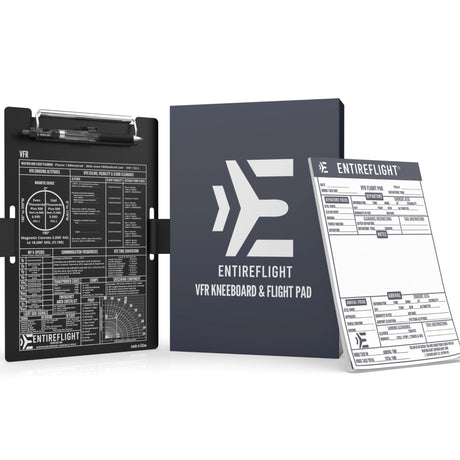
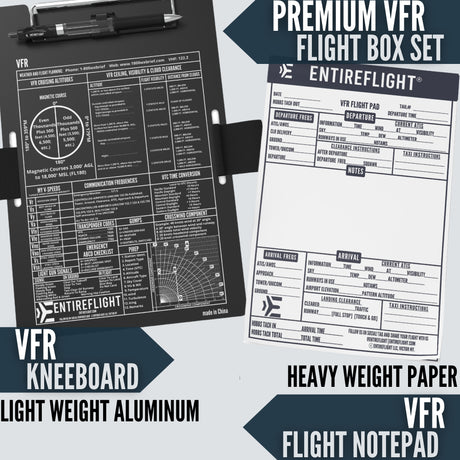
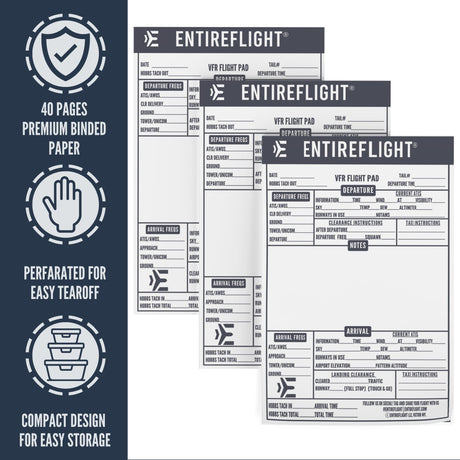
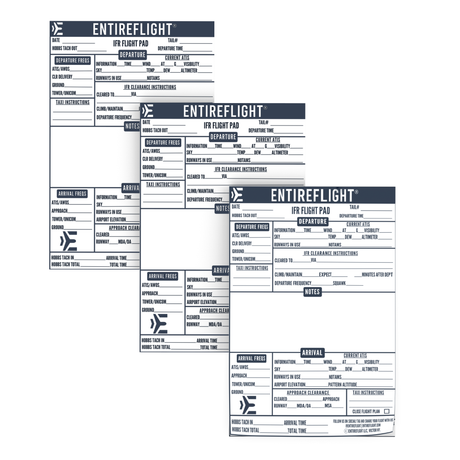
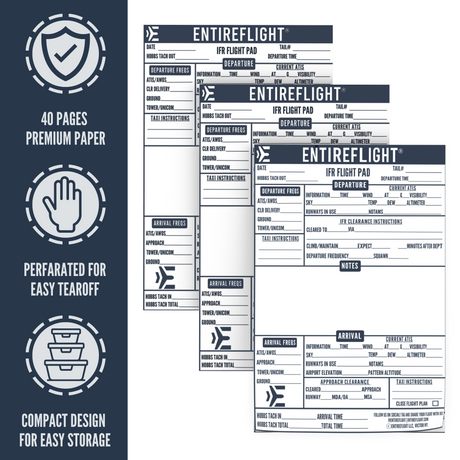
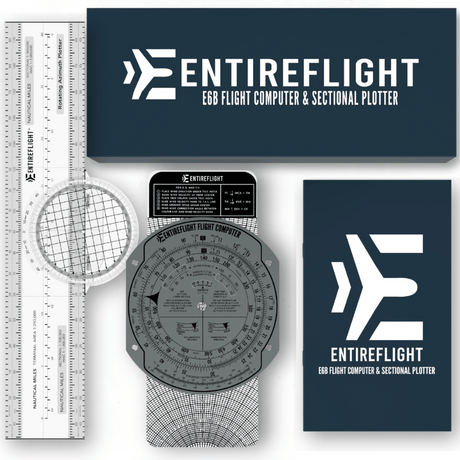
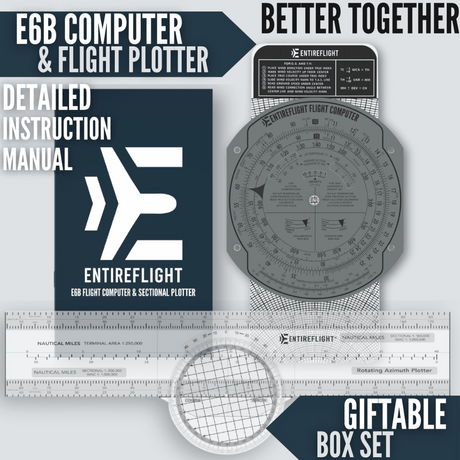
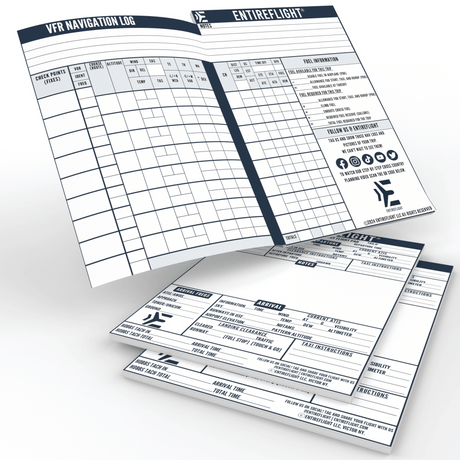
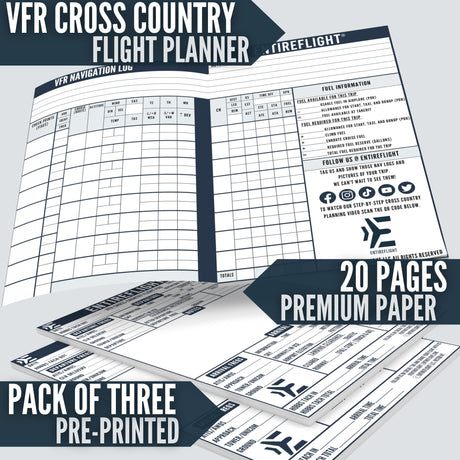
- Student Pilot Bundle — The complete starter kit with a kneeboard, E6B flight computer, plotter, and cross-country notepad.
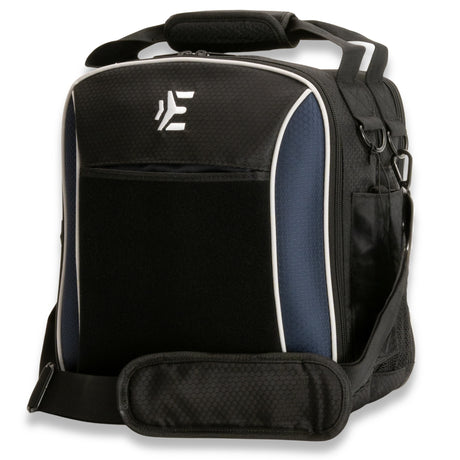
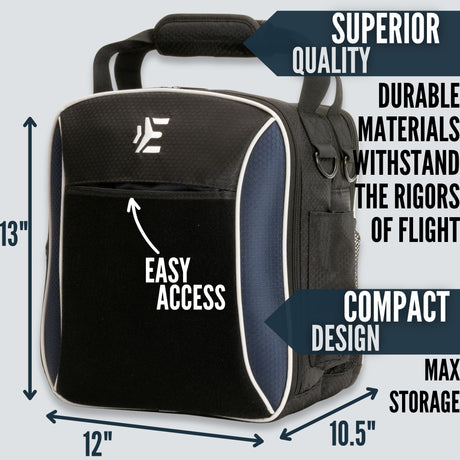
- Venture Flight Bag — A flight bag sized to fit in a Cessna 172 with room for all your training gear.
- Private Pilot Milestone Patches — Track your progress from first flight through checkride.